The Process of Getting a Dental Bridge: What to Expect
Losing a tooth can affect more than just your smile; it can impact how you chew, speak, and even how you feel about yourself. For many working adults in Sewell, New Jersey, and surrounding communities, a dental bridge offers a reliable way to restore both the function and appearance of their smile. At Sewell Dental Designs, led by experienced restorative dentist Dr. Fred C. Haddad, DMD, FAGD, MAGD, the dental bridge process is tailored to your needs with comfort, cutting-edge technology, and personal care.
In this comprehensive guide, we’ll walk through what to expect when getting a dental bridge, how the process works, related restorative options like same-day crowns, implants, and dentures, as well as answer common questions so you feel confident moving forward with treatment.
What Is a Dental Bridge and Why You Might Need One
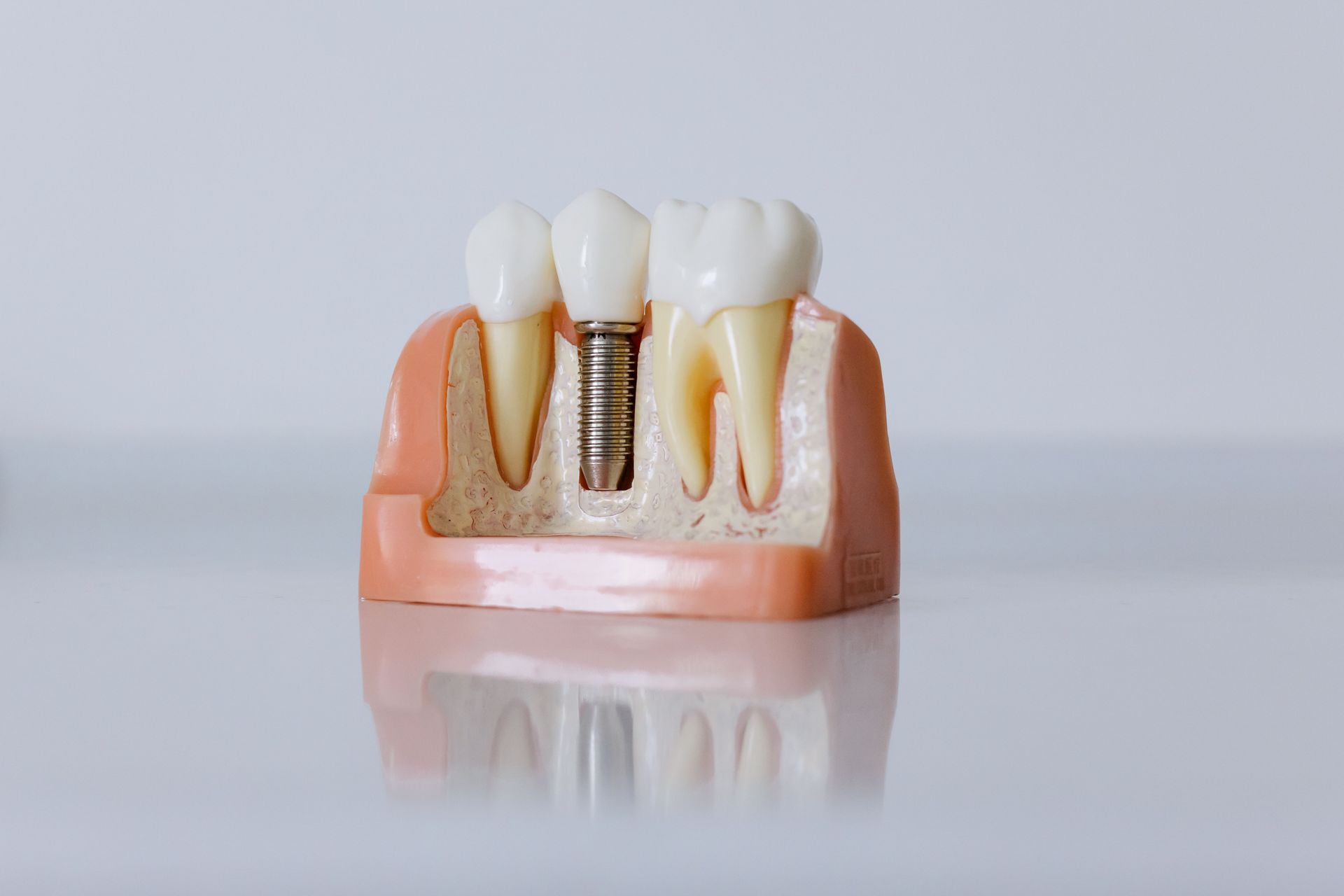
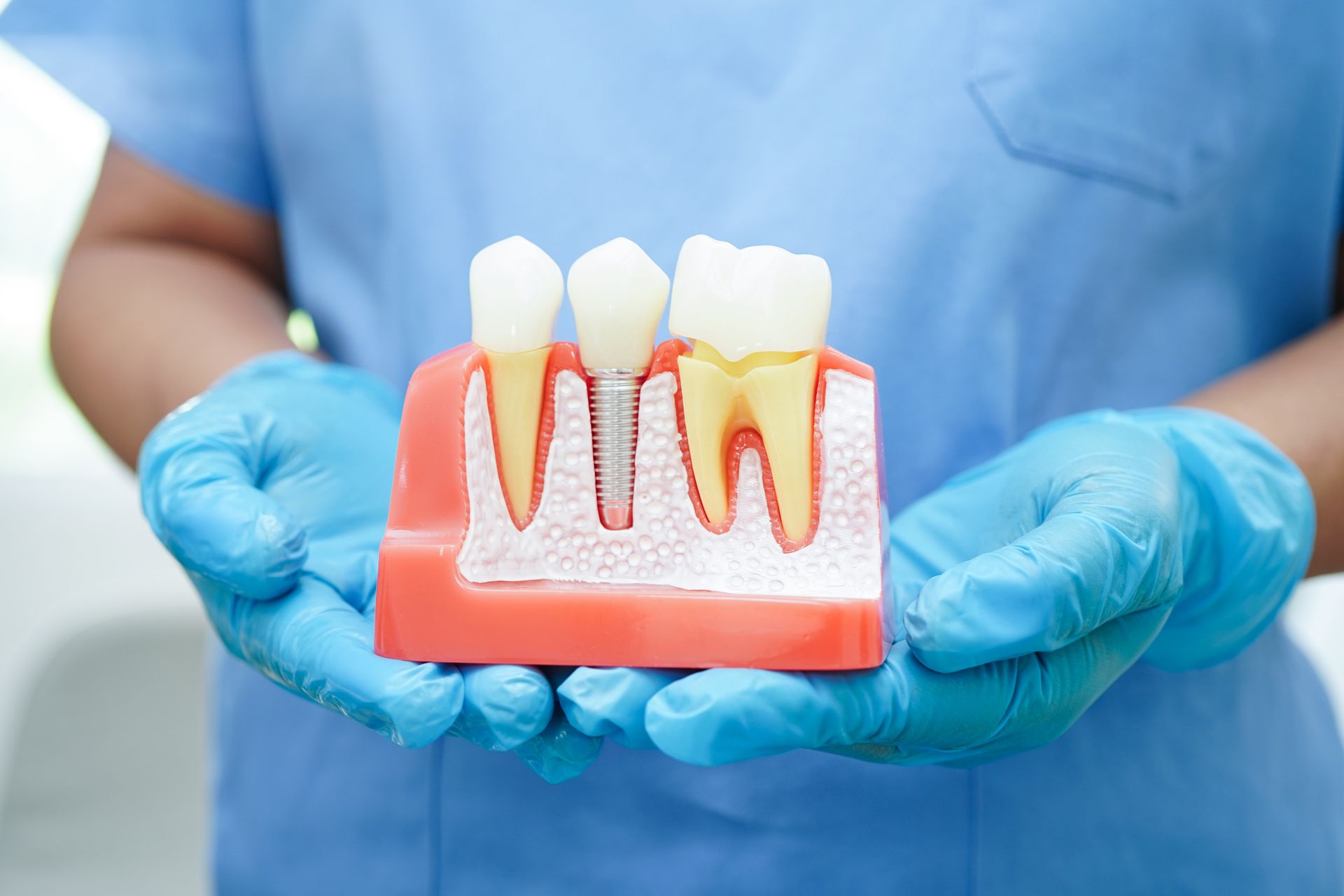
A dental bridge is a fixed prosthetic used to replace one or more missing teeth by anchoring to adjacent natural teeth or implants. It literally “bridges” the gap, restoring your bite and preventing remaining teeth from shifting out of place.
Missing teeth can result from decay, injury, or extraction. Left untreated, gaps can lead to:
- Shifting of surrounding teeth
- Difficulty chewing and speaking
- Bone loss in the jaw
- TMJ discomfort
- Changes in facial structure
For working adults who want a reliable, long-term solution that looks natural and functions seamlessly, dental bridges are often an excellent restorative choice.
Getting Your Dental Bridge
Tooth loss can occur for many reasons, including advanced decay and gum disease, injury, or extraction. No matter the cause, missing teeth can have a significant impact on your daily life. They can make it difficult to chew properly, affect your speech, and even cause surrounding teeth to shift out of place. Over time, this can lead to changes in your bite, bone loss in the jaw, and a noticeable change in your facial appearance.
Fortunately, a dental bridge offers a proven, long-term solution to fill the gap and restore both the function and beauty of your smile. At Sewell Dental Designs, Dr. Haddad and his team use a personalized approach to ensure every bridge fits naturally, functions comfortably, and supports your overall oral health.
Here’s what you can expect at each stage of the dental bridge process, from your first consultation to the final fitting.
Step 1: Initial Consultation and Examination
Your dental bridge journey begins with a detailed consultation at Sewell Dental Designs. Dr. Haddad and the team will:
- Review your medical and dental history
- Perform a comprehensive oral exam
- Take detailed digital X-rays or scans
- Discuss your goals and expectations
This visit is essential to determine whether a bridge is the right option for you or if alternative restorative treatments should be considered.
Because each patient’s situation is unique, this evaluation ensures the most effective treatment plan, from single-tooth bridges to implant-supported bridges.
Step 2: Preparing the Supporting Teeth
Once a bridge is recommended, the next step is preparing the abutment teeth, the teeth on each side of the gap that will support your new bridge.
What Happens During Preparation:
- Local anesthetic is used for comfort
- The abutment teeth are reshaped to allow space for crowns
- Any existing decay or old dental work is addressed
- Digital impressions are taken for precise fabrication
For bridges supported by implants rather than natural teeth, Dr. Haddad coordinates implant placement, allowing the bone to heal before attaching the bridge.
Step 3: Temporary Restoration
While your permanent bridge is being crafted, you’ll receive a temporary restoration. This protects your prepared teeth, maintains your bite, and keeps your smile looking complete.
Temporary restorations are made with careful attention, but they are not the final prosthetic. They act as a placeholder until your custom bridge is ready.
Step 4: Fabrication of Your Custom Bridge
Your impressions go to a dental laboratory or our in-office milling system, depending on the type of bridge you’re receiving.
Step 5: Fitting the Permanent Bridge
When your permanent bridge is ready:
- Dr. Haddad checks the fit, color, and bite alignment
- Adjustments are made as needed to ensure comfort
- The bridge is permanently bonded to the abutment teeth or implants
This appointment may take longer than typical restorative visits, but it’s the moment your smile is truly restored.
Caring for Your Dental Bridge
Once placed, caring for your bridge is similar to caring for your natural teeth:
- Brush twice daily
- Floss daily, including under the pontic (the tooth-like part of the bridge)
- Use a water flosser or interdental brushes to clean hard-to-reach places
- Attend regular checkups and cleanings
Proper care helps prevent decay, gum disease, and future dental problems that could compromise your bridge.
What to Expect After Getting a Bridge: Recovery & Adjustment
Once your dental bridge has been placed, it’s normal to experience a short adjustment period. While your new restoration is designed to feel and function like natural teeth, your mouth may need time to adapt, especially if you’ve been missing teeth for a while.
Immediate Post-Procedure Sensations
After your bridge is cemented in place, you might notice:
- Mild soreness in the gums surrounding the bridge
- Temporary sensitivity to hot or cold foods
- A slightly altered bite or “foreign” feeling when chewing
These symptoms typically fade within a few days as your mouth adjusts.
Tips for a Smooth Recovery
- Eat soft foods for the first 24–48 hours to avoid putting pressure on your new bridge.
- Avoid very hot or cold drinks if your teeth are sensitive.
- Brush gently around the bridge using a soft-bristled toothbrush.
- Use
floss threaders or interdental brushes to clean beneath the pontic (artificial tooth).
If discomfort persists beyond a few days or if your bite feels off, reach out to your dental office. Minor adjustments can often resolve the issue quickly.
Adapting to Your New Normal
Most patients fully adjust to their dental bridge within a week or two. As you get used to chewing and speaking with your new restoration, it will begin to feel like a natural part of your smile. With regular care and checkups, your bridge can provide years of comfort, function, and confidence.
Dental Bridge Materials: Which Is Right for You?
Dental bridges aren’t one-size-fits-all. They can be crafted from different materials based on your individual needs, cosmetic goals, and budget. Choosing the right type of bridge is an important decision, one that your dentist will guide you through based on both clinical factors and lifestyle preferences.
Here’s a breakdown of the most common dental bridge materials:
Porcelain-Fused-to-Metal (PFM)
These bridges combine a strong metal substructure with tooth-colored porcelain for a natural appearance. They’re durable and widely used, especially for back teeth where strength is key. However, over time, the metal may cause a grayish line near the gumline.
Zirconia
Zirconia is a high-strength ceramic material prized for its durability and lifelike appearance. It’s an ideal choice for patients who want both function and aesthetics, especially for front teeth. It’s also metal-free and highly biocompatible, making it a good option for those with metal sensitivities.
All-Ceramic or All-Porcelain
These bridges are crafted entirely from ceramic materials and offer excellent aesthetics, closely mimicking the translucency of natural teeth. They’re most commonly used for bridges in the smile zone. While beautiful, they may not be as strong as zirconia or PFM bridges in areas of heavy bite force.
Metal Bridges (Gold or Other Alloys)
Though less common today, all-metal bridges are incredibly durable and can be a good option for back molars where strength is more important than appearance. They’re typically recommended for patients who grind their teeth or who need maximum longevity.
Choosing the Right Bridge for You
At your consultation, your dentist will consider a number of factors:
- Where the missing teeth are located
- Your bite and jaw alignment
- Your aesthetic preferences
- Any known allergies or sensitivities
- Long-term durability expectations
The goal is to create a restoration that looks great, functions naturally, and fits comfortably into your daily life.
Common FAQs About Dental Bridges
How long does a dental bridge last?
With excellent oral hygiene and routine dental care, a bridge can last up to 15 years or longer.
Is getting a dental bridge painful?
The process is performed with anesthesia, and most patients report minimal discomfort. Temporary sensitivity is normal.
Can a bridge be replaced later?
Yes. If a bridge wears down or no longer fits well due to changes in your mouth, it can be replaced.
Are dental bridges covered by insurance?
Many dental insurance plans help cover part of the cost of bridges. Our office will assist in understanding your coverage.
Do implants hurt more than bridges?
Implant placement is a surgical process, but modern techniques and anesthesia make it manageable. Bridges are, in most cases, less invasive but may not be ideal for all patients.
Why Choose Sewell Dental Designs
At Sewell Dental Designs, your care is delivered with a focus on comfort, education, and results. The team believes every patient should understand their treatment and feel confident in their smile. With advanced restorative services like dental bridges, same-day technology, implants, and dentures, the practice offers comprehensive care that fits your lifestyle.
Led by Dr. Fred C. Haddad, a skilled dentist with years of post-graduate training in restorative and cosmetic dentistry, patients trust Sewell Dental Designs for dependable, long-lasting results.
Ready to Restore Your Smile?
If you’re considering a dental bridge or want to explore restorative options like implants, dentures, or same-day crowns in Sewell, NJ, Sewell Dental Designs is here to help.
Schedule a consultation with Dr. Haddad and his team to begin your path to a confident, fully restored smile.







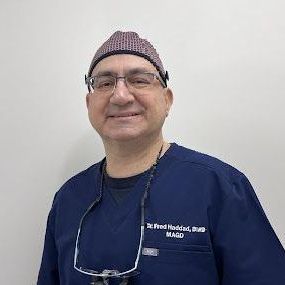
Dr. Haddad
D.M.D
Dr. Haddad’s purpose at Sewell Dental Designs is to empower his patients so they can achieve and maintain excellent dental health and have a smile they are happy to show off. He decided on this path after receiving treatment from a competent and friendly dentist when he was a teen.
Dr. Haddad obtained his Bachelor of Science degree at George Mason University in Virginia and went on to earn his Doctor of Medicine in Dentistry degree (DMD) from Temple University Maurice H. Kornberg School of Dentistry.

Dr. Joanna
D.D.S
Dr. Joanna Haddad was born and raised in Lebanon and now resides in Philadelphia, PA. She speaks Arabic, French, and English fluently. Dr. Joanna earned her Doctorate of Dental Medicine from the University of Pennsylvania School of Dental Medicine, graduating with honors in Public Health. During her time in dental school, she was highly involved in various organizations and served as the Chapter President of the American Student Dental Association. She is also a proud member of the American Dental Association, American Association of Facial Esthetics and American student dental association.
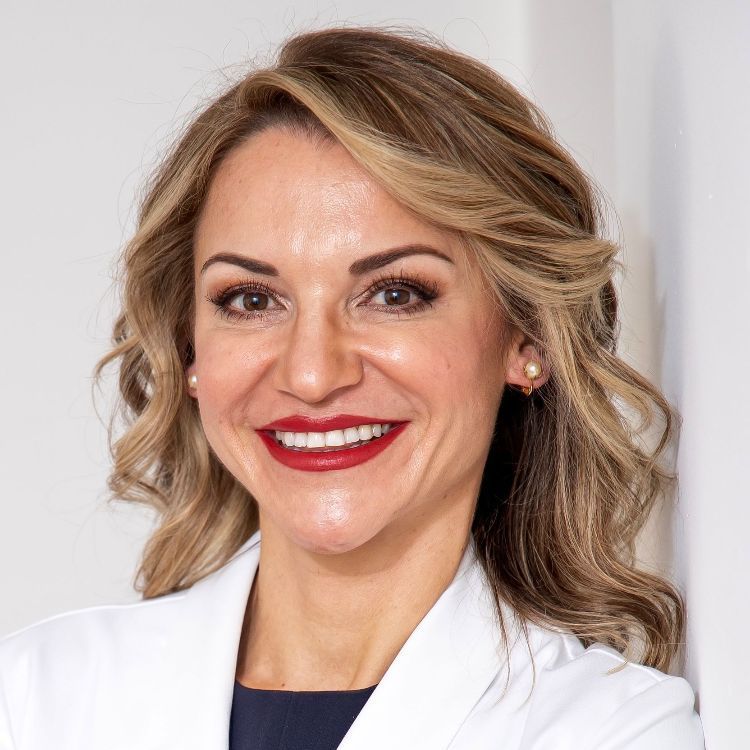
Dr. Giesberg
D.D.S
Dr. Konstantina S. Giesberg, DDS, is a board-certified dentist anesthesiologist who has earned the privilege of becoming a Diplomate of the American Dental Board of Anesthesiology (DADBA).Dr. Giesberg obtained, with honors, her degree of Doctor of Dental Surgery (DDS) from the University of Buffalo, NY. She then completed her General Practice Residency in Dentistry at Wyckoff Heights Medical Center in Brooklyn, NY. Dr. Giesberg then furthered her studies at Wyckoff Heights Medical Center with a Specialty Program in Dental Anesthesiology, involving three years of concentration in deep sedation and general anesthesia.