The Role of Retainers in Maintaining Your Perfect Smile
Achieving a confident, healthy smile is an exciting milestone — whether through Invisalign®, traditional braces, or other orthodontic treatments. But the journey does not end when the last aligner comes off or the braces are removed. One essential step in preserving your beautifully aligned teeth is understanding and correctly using retainers.
At Sewell Dental Designs in Sewell, NJ, Dr. Fred C. Haddad and our experienced team are committed to delivering high‑quality orthodontic care that does not just stop when treatment ends — it continues into retention, protection, and maintenance. In this detailed guide, we will explore why retainers matter, how they work, how to care for them, and how they fit into the broader spectrum of orthodontic treatment, including braces, Invisalign, and post‑treatment follow‑ups.
What Are Retainers — And Why Do You Need Them?
A retainer is a custom-made appliance designed to hold your teeth in their corrected positions after orthodontic treatment. When you undergo orthodontic treatment, whether with clear aligners or braces, your teeth shift into a new alignment. However, teeth are naturally inclined to move back to their original position — this process is called orthodontic relapse.
That is where retainers come in. They act as the stabilizing force to maintain the results of months — or even years — of orthodontic treatment. They give your gums, bones, and ligaments time to adapt and hold the teeth in place permanently. Even after the bone has stabilized, subtle shifts can still occur over time due to everyday chewing forces, aging, and oral habits. Wearing a retainer as directed can prevent these changes and ensure your smile stays straight, healthy, and functional.
Orthodontics 101: What It Treats and Why It Matters
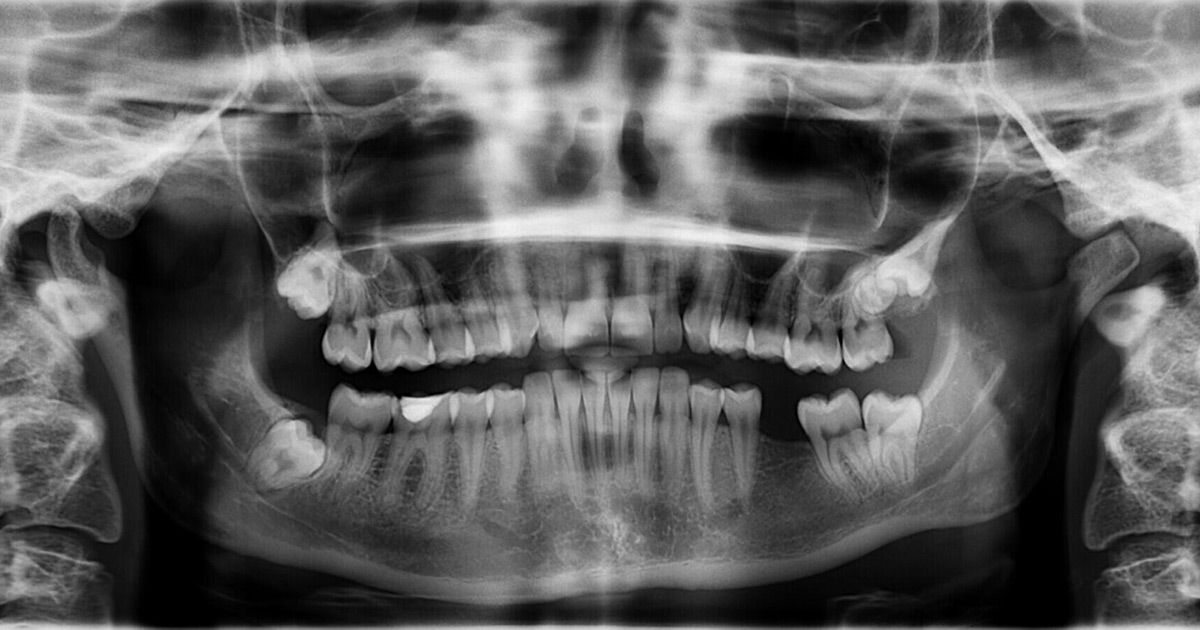
Orthodontics is a specialized field of dentistry that focuses on diagnosing, preventing, and treating irregularities in the teeth and jaws. These irregularities, known collectively as malocclusion, can affect your bite, speech, oral hygiene, and overall facial harmony.
Common conditions treated with orthodontics include:
- Overbite: When the upper front teeth excessively overlap the lower teeth
- Underbite: When the lower teeth extend past the upper teeth
- Crossbite: When some upper teeth sit inside the lower teeth
- Open bite: A gap between the upper and lower teeth when the mouth is closed
- Crowded teeth: When there is insufficient space for teeth to align properly
- Spacing issues: Unnatural gaps between teeth
- Jaw misalignment: Can lead to discomfort, clicking sounds, and TMJ disorders
Orthodontic treatment is not just cosmetic — it plays a significant role in oral health. Crooked or misaligned teeth are harder to clean, which increases the risk of decay and gum disease. Jaw misalignment can cause chronic pain, headaches, and tooth wear. Addressing these issues early — or at any age — is an investment in both your health and your confidence.
Invisalign vs. Braces: Choosing the Right Path
At Sewell Dental Designs, patients can choose between two of the most advanced orthodontic treatment options available today: Invisalign® clear aligners and traditional braces. Both are highly effective, and the right choice depends on your lifestyle, needs, and the complexity of your case.
Invisalign: Discreet, Comfortable, and Modern
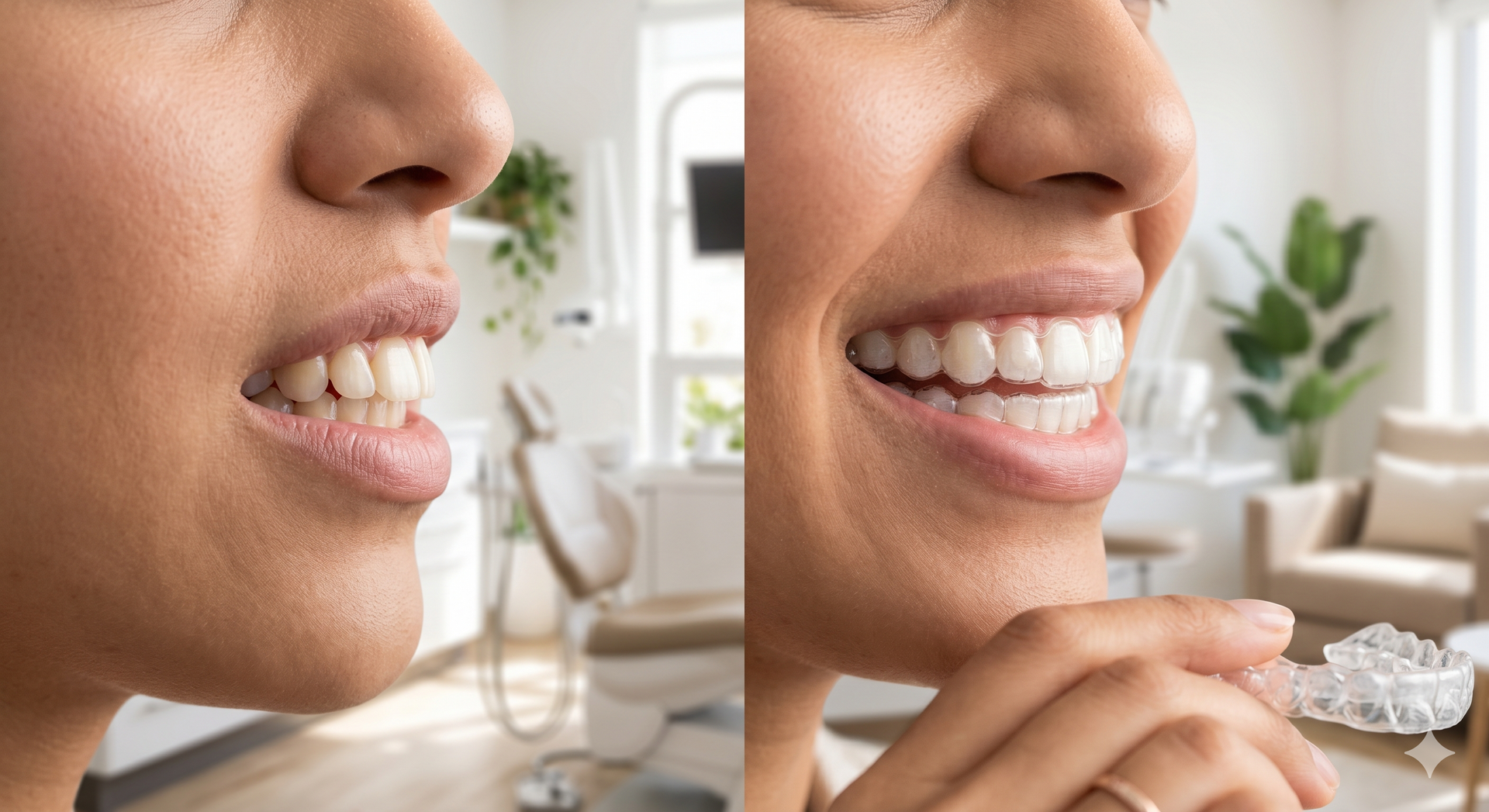
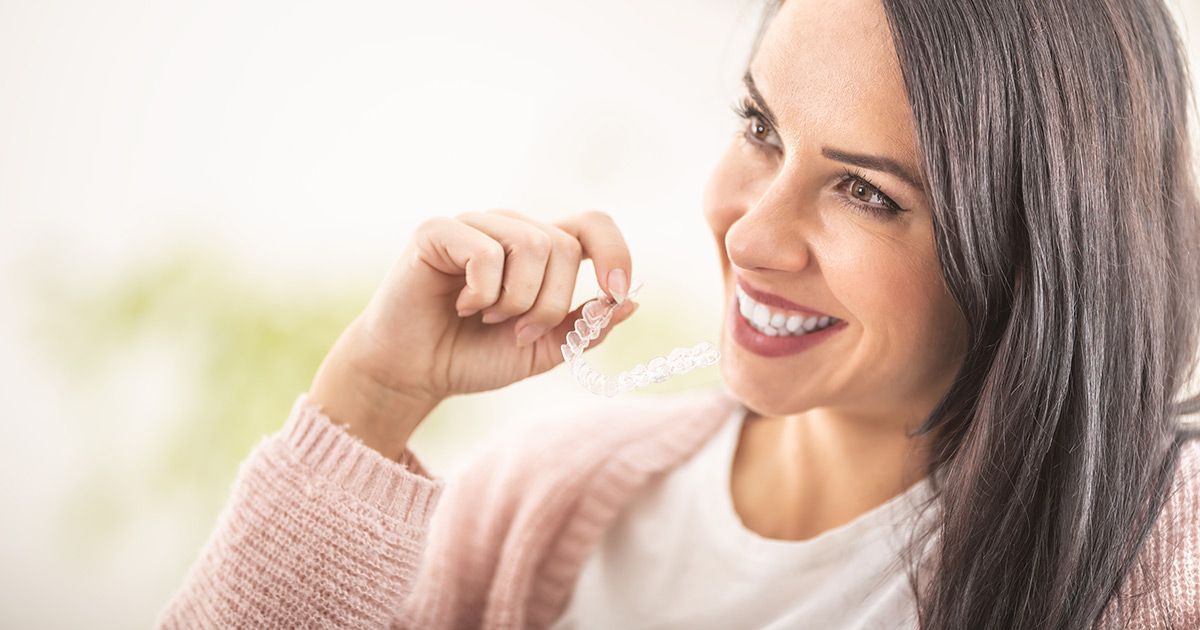
Invisalign uses a series of clear, medical-grade plastic trays that are custom-designed to shift your teeth into alignment gradually. These aligners are removable, making them ideal for adults and teens seeking a more flexible, nearly invisible treatment option.
Advantages of Invisalign:
- Virtually invisible while worn
- Removable for meals, brushing, and flossing
- No dietary restrictions
- Fewer in-office visits required
- Smooth edges reduce irritation.
Invisalign is highly effective for treating mild to moderate cases of crowding, spacing, overbite, underbite, and other orthodontic issues. It also appeals to professionals, college students, and busy adults who want to maintain a natural look during treatment.
Braces: Proven and Precise
Traditional braces consist of metal or ceramic brackets bonded to your teeth and connected by wires. They are especially effective for more complex orthodontic cases, such as significant jaw alignment issues or severe crowding.
Advantages of Braces:
- Precise control over tooth movement
- Suitable for all levels of complexity
- Now available in low-profile and tooth-colored options
- Continuous correction without needing patient compliance
While braces are more visible than Invisalign, they are a trusted, reliable choice — and in some cases, the only way to achieve optimal results.
No matter which method you choose, your orthodontic success ultimately relies on retention — and that is where retainers come in.
Why Retainers Are Essential After Orthodontic Treatment
Orthodontic treatment moves your teeth through the bone, which naturally causes inflammation and remodeling in the jaw structure. Once treatment ends, it can take several months — and sometimes years — for the bone to fully harden and stabilize around the new tooth positions.
Retainers ensure that this critical stabilization phase happens successfully. Here is why they matter:
Stabilizing New Tooth Positions
The teeth need help staying in place as the periodontal ligaments and bone tissue adjust to the new positions. Without a retainer, your teeth can shift — quickly and noticeably — especially during the first few months.
Preventing Relapse and Bite Changes
Orthodontic relapse can undo years of progress. Retainers help you keep the alignment, bite correction, and spacing improvements you worked hard to achieve.
Supporting Jaw Health and Muscle Memory
Your jaw muscles, bones, and tissues need time to “memorize” the new bite. Retainers support proper occlusal (bite) function while minimizing stress on the jaw joints.
Types of Retainers
There are two main types of retainers, and your dentist or orthodontist may recommend one or both based on your case.
Removable Retainers
Removable retainers are typically made of acrylic with a wire (Hawley retainers) or clear plastic similar to Invisalign (Essix retainers). These are worn primarily at night after the initial full-time wear period.
Care Instructions:
- Remove before eating or drinking anything other than water.
- Clean daily with lukewarm water and a soft toothbrush
- Store in a case to prevent loss or damage
- Avoid exposure to heat or harsh chemicals.
Fixed or Bonded Retainers
A bonded retainer is a thin wire attached to the back of your teeth, typically on the lower front teeth. It remains in place 24/7 and offers continuous retention.
Care Instructions:
- Use floss threaders or water flossers to clean around the wire.
- Avoid biting hard objects or using your teeth as tools.
- Have it checked during regular dental visits
Many patients benefit from a combination of both types for long-term retention success.
How Long Do You Need to Wear a Retainer?
Retention timelines vary depending on age, treatment complexity, and individual biology, but some general rules apply:
- Immediately after treatment, wear your retainer full-time, except during meals or when brushing.
- After a few months, transition to wearing the retainer only at night.
- Long-term: Nighttime wear is typically recommended indefinitely.
Orthodontists now recognize that lifelong retention is often the best way to maintain alignment. Teeth can shift even decades later due to age, grinding, or other factors.
Caring for Your Retainer: Daily Habits for Long-Term Results
Caring for your retainer is just as important as wearing it. Here are some key habits:
Cleaning
- Clean daily with a soft-bristle toothbrush and non-abrasive soap
- Soak removable retainers in a retainer-cleaning solution once a week.
- Avoid boiling water or dishwasher cleaning, which can warp the material.
Storage
- Keep your retainer in a ventilated case when not in use.
- Never wrap it in a napkin — it is easy to throw it away accidentally.
- Keep out of reach from pets — they are notorious for chewing them.
Orthodontic Care for All Ages: Children, Teens, and Adults
At Sewell Dental Designs, we proudly serve children, teenagers, and adults with comprehensive orthodontic care. While traditional braces are often recommended during the teenage years, more adults than ever are choosing to pursue smile correction.
- Children: Early orthodontic evaluation helps catch jaw or bite issues during growth
- Teens: Invisalign and braces can be used to guide permanent teeth into ideal positions
- Adults:
Clear aligners offer discreet, flexible options that fit busy lifestyles
Retainers are part of that lifelong smile care, especially for adults who want to maintain results from previous treatment or correct new movements.
Common Questions About Retainers
Q. How do I know if my retainer still fits?
A. If your retainer feels tight or does not fit properly, your teeth may have started to shift. Schedule a visit to assess the situation.
Q. Can I stop wearing my retainer after a few years?
A. Teeth can shift at any age. Continued nighttime wear, even years after treatment, is often recommended to maintain your smile’s alignment.
Q. What if I forgot to wear my retainer for a few days?
A. Wear it immediately. If it does not fit or feels tight, consult your dentist before forcing it in place.
Q. How often should I replace my retainer?
A. With proper care, a retainer can last several years. However, if it becomes loose, cracked, or discolored, it may need to be replaced.
Q. Will insurance cover a replacement?
A. This varies by plan. Our team can help verify your benefits and offer affordable replacement options.
Why Choose Sewell Dental Designs for Orthodontics and Retention?
Dr. Fred C. Haddad has over 20 years of experience in dentistry and orthodontics. Our team takes pride in building long-term relationships with our patients, providing exceptional orthodontic treatment that emphasizes comfort, precision, and lasting results.
Patients across Sewell, Pitman, Glassboro, Washington Township, and surrounding communities trust us for:
- Friendly, judgment-free care
- Flexible treatment plans tailored to your goals
- Advanced technologies and modern retention techniques
- Lifetime commitment to your oral health
From your first orthodontic consultation to every follow-up appointment, we are with you at every stage of your smile journey.
Final Thoughts: Retainers Protect What You Have Worked For
Orthodontic treatment is a valuable investment in your health and confidence. But without a proper retainer plan, results can fade over time. Retainers are not just an afterthought — they are the final, lasting step in your orthodontic journey.
If you or your child has completed treatment — or are just beginning — trust the team at Sewell Dental Designs to guide you through every phase, from planning to retention. Your perfect smile deserves protection that lasts a lifetime.
New Title




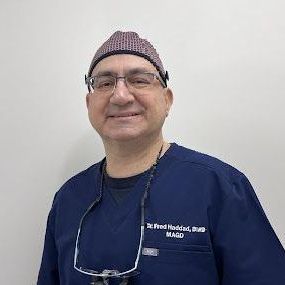
Dr. Haddad
D.M.D
Dr. Haddad’s purpose at Sewell Dental Designs is to empower his patients so they can achieve and maintain excellent dental health and have a smile they are happy to show off. He decided on this path after receiving treatment from a competent and friendly dentist when he was a teen.
Dr. Haddad obtained his Bachelor of Science degree at George Mason University in Virginia and went on to earn his Doctor of Medicine in Dentistry degree (DMD) from Temple University Maurice H. Kornberg School of Dentistry.
Dr. Joanna
D.D.S
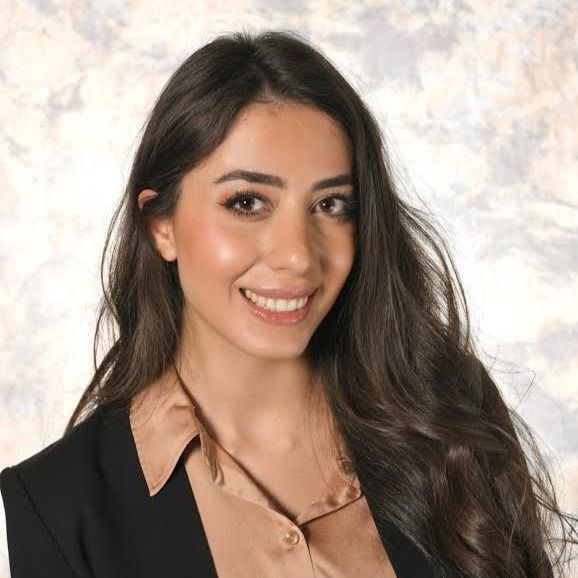
Dr. Joanna Haddad was born and raised in Lebanon and now resides in Philadelphia, PA. She speaks Arabic, French, and English fluently. Dr. Joanna earned her Doctorate of Dental Medicine from the University of Pennsylvania School of Dental Medicine, graduating with honors in Public Health. During her time in dental school, she was highly involved in various organizations and served as the Chapter President of the American Student Dental Association. She is also a proud member of the American Dental Association, American Association of Facial Esthetics and American student dental association.
Dr. Giesberg
D.D.S
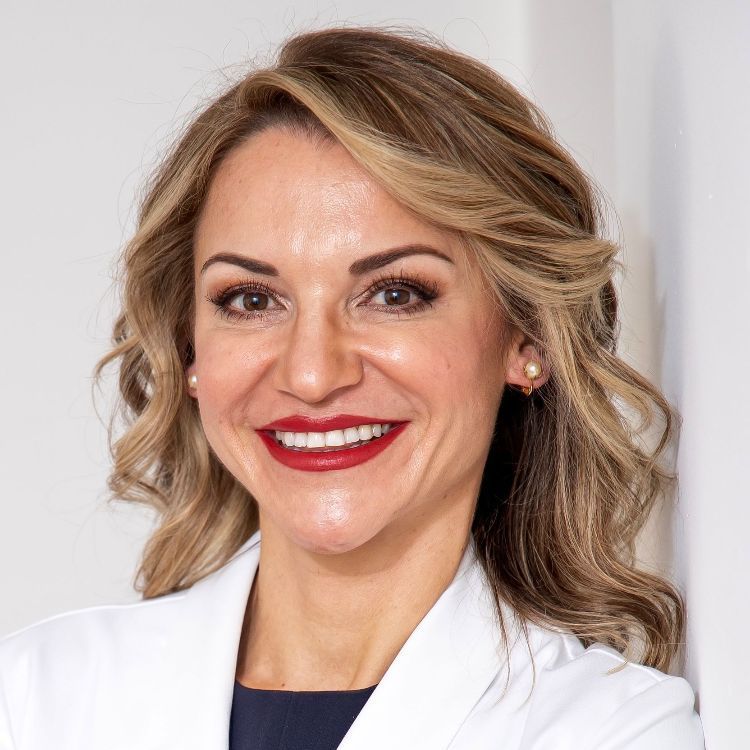
Dr. Konstantina S. Giesberg, DDS, is a board-certified dentist anesthesiologist who has earned the privilege of becoming a Diplomate of the American Dental Board of Anesthesiology (DADBA).Dr. Giesberg obtained, with honors, her degree of Doctor of Dental Surgery (DDS) from the University of Buffalo, NY. She then completed her General Practice Residency in Dentistry at Wyckoff Heights Medical Center in Brooklyn, NY. Dr. Giesberg then furthered her studies at Wyckoff Heights Medical Center with a Specialty Program in Dental Anesthesiology, involving three years of concentration in deep sedation and general anesthesia.